Modern Ceramic Trends For Luxury Interiors
Explore the latest ceramic trends for luxury interiors, featuring premium glossy surfaces, modern de...
Introduction
The ceramic industry is undergoing a significant transformation as sustainability becomes a central focus for manufacturers worldwide. With growing environmental awareness and increasing demand for responsible building materials, companies are adopting innovative production practices that reduce environmental impact while maintaining exceptional quality standards.
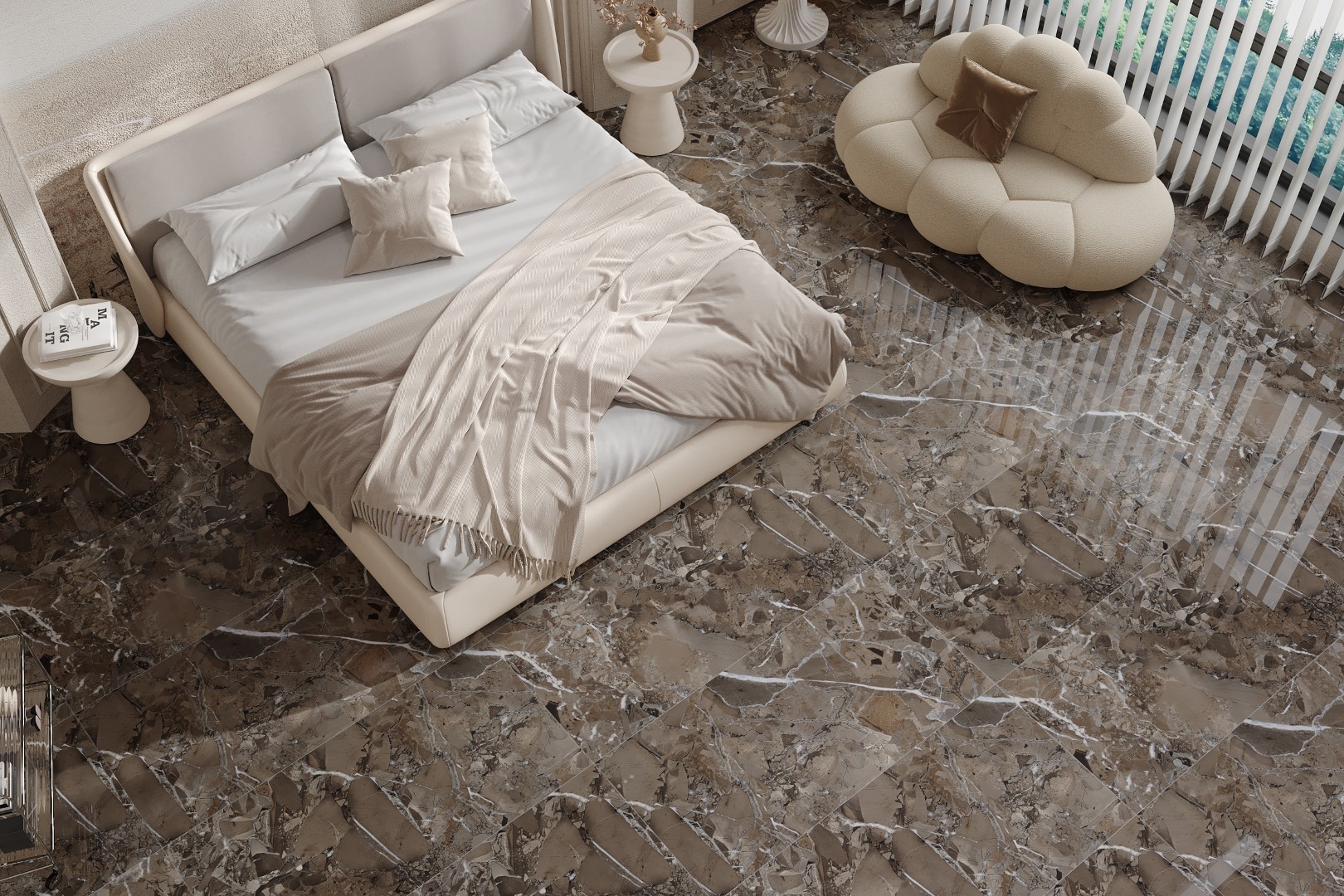
Premium collections such as Glossy Collection and other modern ceramic designs demonstrate how aesthetics and sustainability can successfully coexist in today's market.
As architects, designers, and consumers prioritize eco-conscious choices, sustainable manufacturing is shaping the future of the ceramic industry.
For decades, ceramic manufacturing has been valued for producing durable and long-lasting products. However, traditional production processes often required substantial energy consumption and resource utilization. Today, manufacturers are embracing advanced technologies and environmentally responsible methods to improve efficiency and reduce their carbon footprint.
Sustainable manufacturing is no longer limited to meeting regulations. It has become an essential business strategy that helps manufacturers enhance operational performance, strengthen brand reputation, and address the expectations of environmentally conscious customers.
By integrating sustainability into every stage of production, ceramic companies can create products that deliver both long-term performance and environmental value.
The construction and interior design industries are increasingly focused on reducing their environmental impact. As ceramic surfaces are widely used in residential, commercial, and hospitality projects, manufacturers play an important role in supporting sustainable development.
Implementing environmentally responsible manufacturing practices provides several benefits:
These advantages contribute not only to environmental protection but also to stronger business performance in a highly competitive global market.
Energy consumption is one of the most significant environmental considerations in ceramic production. Since tiles require high-temperature firing processes, manufacturers are continuously exploring ways to optimize energy usage.
Modern production facilities are investing in advanced kiln technologies that improve heat distribution and reduce fuel consumption. Automated systems monitor energy performance in real time, allowing manufacturers to identify inefficiencies and make immediate adjustments.
Many facilities are also incorporating renewable energy sources into their operations. Solar power systems and other clean energy solutions are helping reduce dependence on conventional energy sources while lowering overall emissions.
These investments not only support sustainability goals but also improve production consistency and cost efficiency.
Sustainability begins long before a tile enters the production line. Responsible sourcing and efficient use of raw materials have become key priorities for modern manufacturers.
Many ceramic producers now focus on optimizing material consumption through precise manufacturing techniques and advanced quality control systems. This approach helps reduce waste while maintaining product quality and consistency.
Additionally, manufacturers are increasingly exploring opportunities to incorporate recycled materials into production processes. By reusing suitable resources, companies can reduce the demand for virgin raw materials and contribute to a more circular production model.
Responsible material management ensures that resources are utilized effectively without compromising performance standards.
Water is an essential component of ceramic production, making conservation efforts particularly important. Sustainable manufacturing facilities are implementing advanced water management systems that significantly reduce overall consumption.
Closed-loop recycling systems allow water used during production to be treated and reused multiple times. This reduces reliance on freshwater resources and minimizes wastewater generation.
The benefits of water conservation initiatives include:
As water conservation becomes a growing global priority, these initiatives play a vital role in responsible manufacturing practices.
Waste reduction is another critical aspect of sustainable manufacturing. Modern production facilities are implementing smarter workflows and advanced quality management systems to minimize material loss.
Manufacturers are increasingly focusing on:
These efforts help create more sustainable production environments while improving overall manufacturing performance.
The environmental impact of a ceramic product extends beyond manufacturing. Packaging and transportation also contribute significantly to a product's overall sustainability profile.
To address this challenge, many manufacturers are transitioning to recyclable and environmentally friendly packaging materials. Lightweight packaging solutions help improve transportation efficiency while reducing emissions associated with shipping.
Strategic logistics planning further supports sustainability by optimizing transportation routes and maximizing shipment efficiency. These improvements help reduce fuel consumption and support more responsible global distribution networks.
Innovation remains one of the most powerful tools for advancing sustainability in the ceramic industry. Manufacturers continue to invest in research and development to create smarter, cleaner, and more efficient production systems.
Emerging innovations include:
These advancements are helping manufacturers achieve ambitious sustainability goals while continuing to deliver premium ceramic products that meet modern design expectations.
Sustainability is no longer viewed as a separate initiative within the ceramic industry. Instead, it has become an integral part of product development, manufacturing, and business strategy. As demand for sophisticated surfaces continues to grow, manufacturers are finding new ways to combine innovative design, exceptional durability, and responsible production practices.
Whether inspired by contemporary marble aesthetics, natural stone textures, or timeless architectural trends, modern ceramic collections are increasingly being developed with sustainability in mind. This approach allows designers, architects, and homeowners to select premium surfaces that align with both performance requirements and environmental values.
Sustainable manufacturing is reshaping the ceramic industry by creating more efficient, environmentally responsible, and future-ready production systems.
Through energy-efficient technologies, water conservation initiatives, responsible material sourcing, waste reduction strategies, and continuous innovation, manufacturers are significantly reducing their environmental impact while maintaining the quality and durability that ceramic products are known for. As sustainability continues to influence global construction and interior design trends, companies that embrace these practices will be better positioned to lead the industry toward a greener and more sustainable future.
Explore more insights and articles from our blog.
Explore the latest ceramic trends for luxury interiors, featuring premium glossy surfaces, modern de...
Discover smart packaging solutions for global tile shipping that reduce damage, improve logistics ef...
Founded with a vision for excellence, ILCOM India Pvt Ltd specializes in premium ceramic and porcelain surfaces, delivering innovative designs, superior quality, and trusted export solutions to customers worldwide.